👨🍳 Method
-
1
Soft-boiled eggs: Soft-boiled eggs are used almost exclusively at breakfast.
-
2
Prick the eggs to prevent cracking and place them in boiling water.
-
3
Cook for 3 to 4 minutes, depending on the size of the eggs.
-
4
Eggs should be at room temperature before cooking.
-
5
Medium-boiled eggs: Medium-boiled eggs are rarely used in modern kitchens, but can be prepared by cooking for approximately 5 minutes — the yolk will be slightly runny.
-
6
Immediately cool the eggs in cold water to stop the cooking process.
-
7
These eggs were traditionally used for cold preparations.
-
8
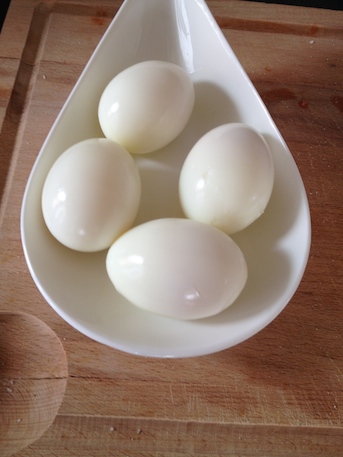
Hard-boiled eggs: Hard-boiled eggs are best started in cold water with salt and vinegar, then brought to a boil and cooked for 10 minutes from when the water reaches a rolling boil.
-
9
Immediately cool the eggs in cold water to prevent the yolk from turning green and to reduce the typical sulfurous smell.
-
10
Cooling also makes the eggs easier to peel.
🤖 Ask the Cooking Assistant about this recipe
Ask a question about this recipe, or request an adjustment (e.g. "make this halal" or "replace flour with a gluten-free alternative").


